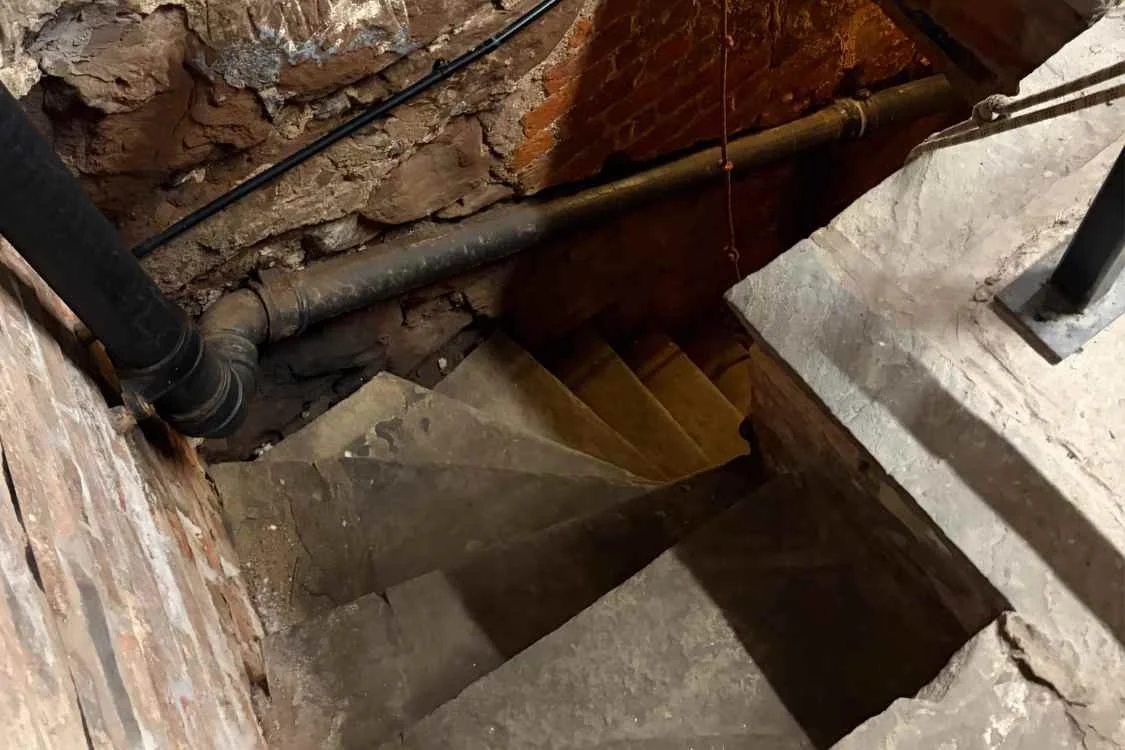

Stockport Heritage & History
Stockport is home to some of the North West’s most significant historic sites, from medieval houses and Tudor halls to Victorian parks, railway engineering landmarks and World War II tunnels.
If you’re searching for things to do in Stockport like local heritage sites, or places that explain the town’s industrial past, then these attractions tell the story, from rivers and trade to hats, railways and resilience.
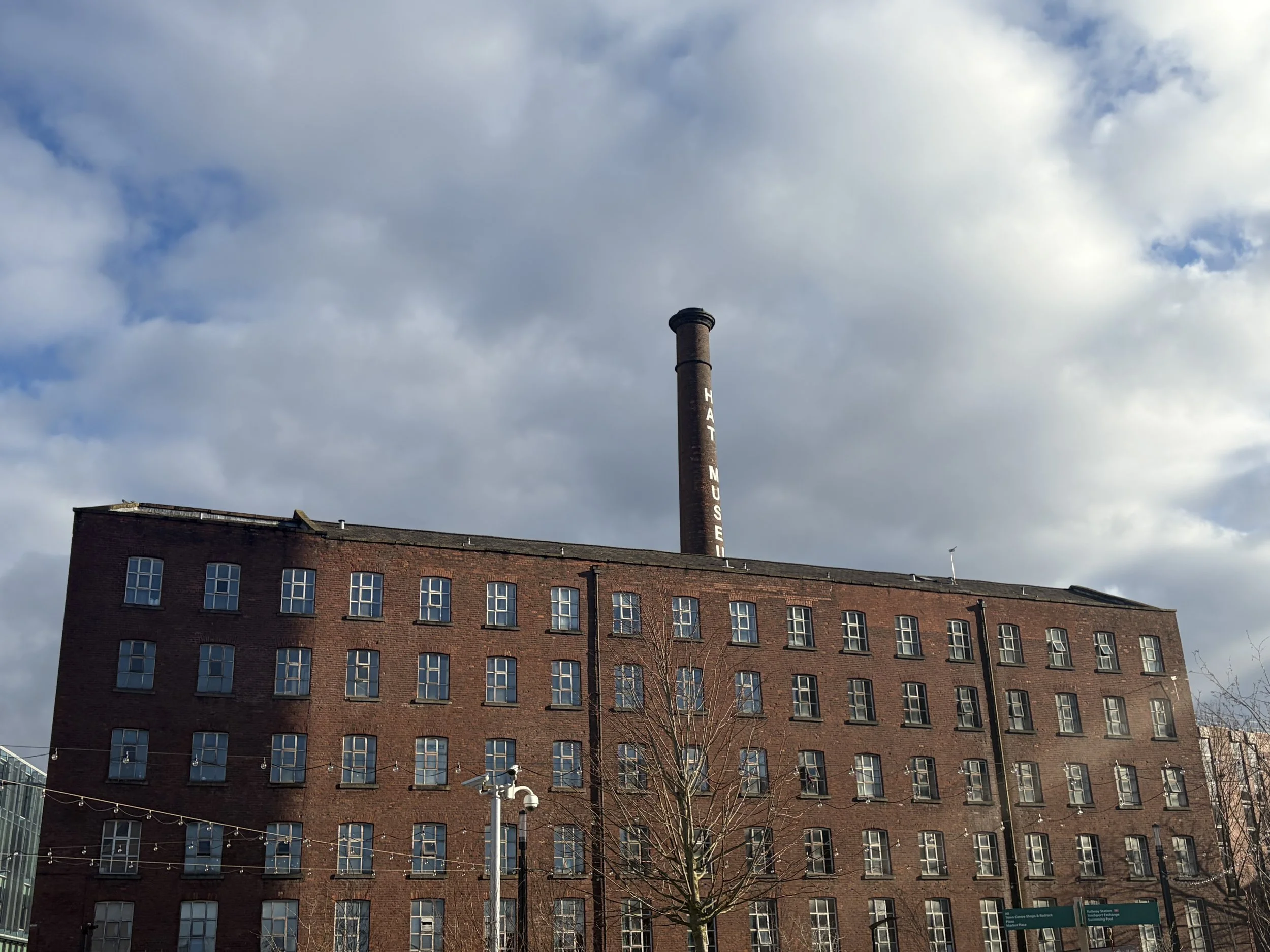
1. Hat Works Museum
Housed in a former Victorian mill, Hat Works Museum tells the story of Stockport’s once world-leading hat-making industry. At its peak in the late 19th and early 20th century, the town was producing millions of hats a year and exporting them globally.
Inside, you’ll find original machinery, restored workspaces and rotating exhibitions that explore industrial labour, fashion and design. It’s the clearest starting point for understanding Stockport’s economic backbone.
2. Stockport Viaduct
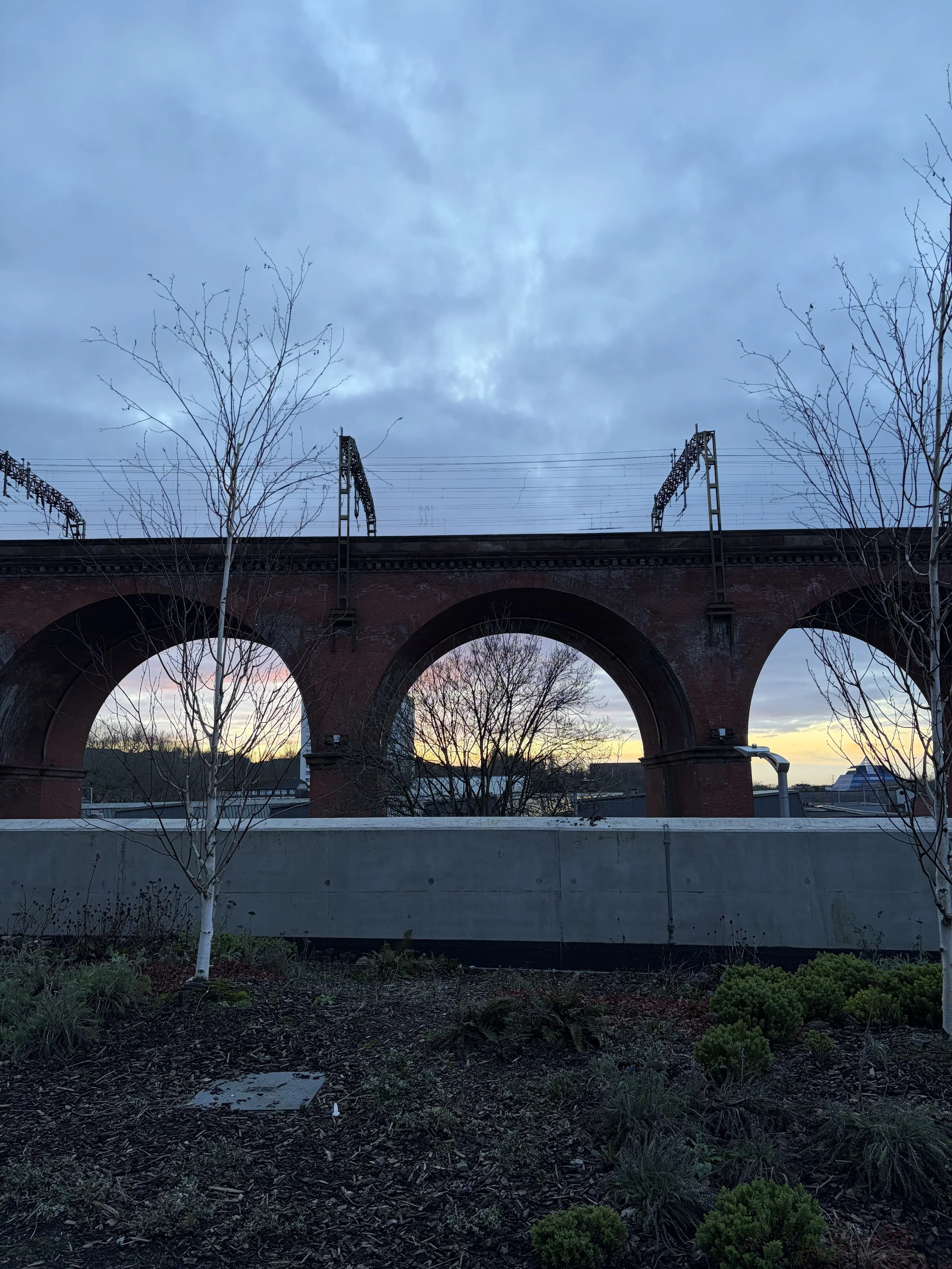
Completed in 1840, the viaduct is one of the largest brick structures in Europe, carrying the West Coast Main Line across the River Mersey valley. Built during the height of railway expansion, it symbolises the scale of Victorian ambition and engineering skill.
It isn’t just infrastructure. It’s a physical reminder of the moment Stockport connected to the wider world and is probably the town’s most distinctive landmark, as painted by L.S. Lowry.
3. Staircase House
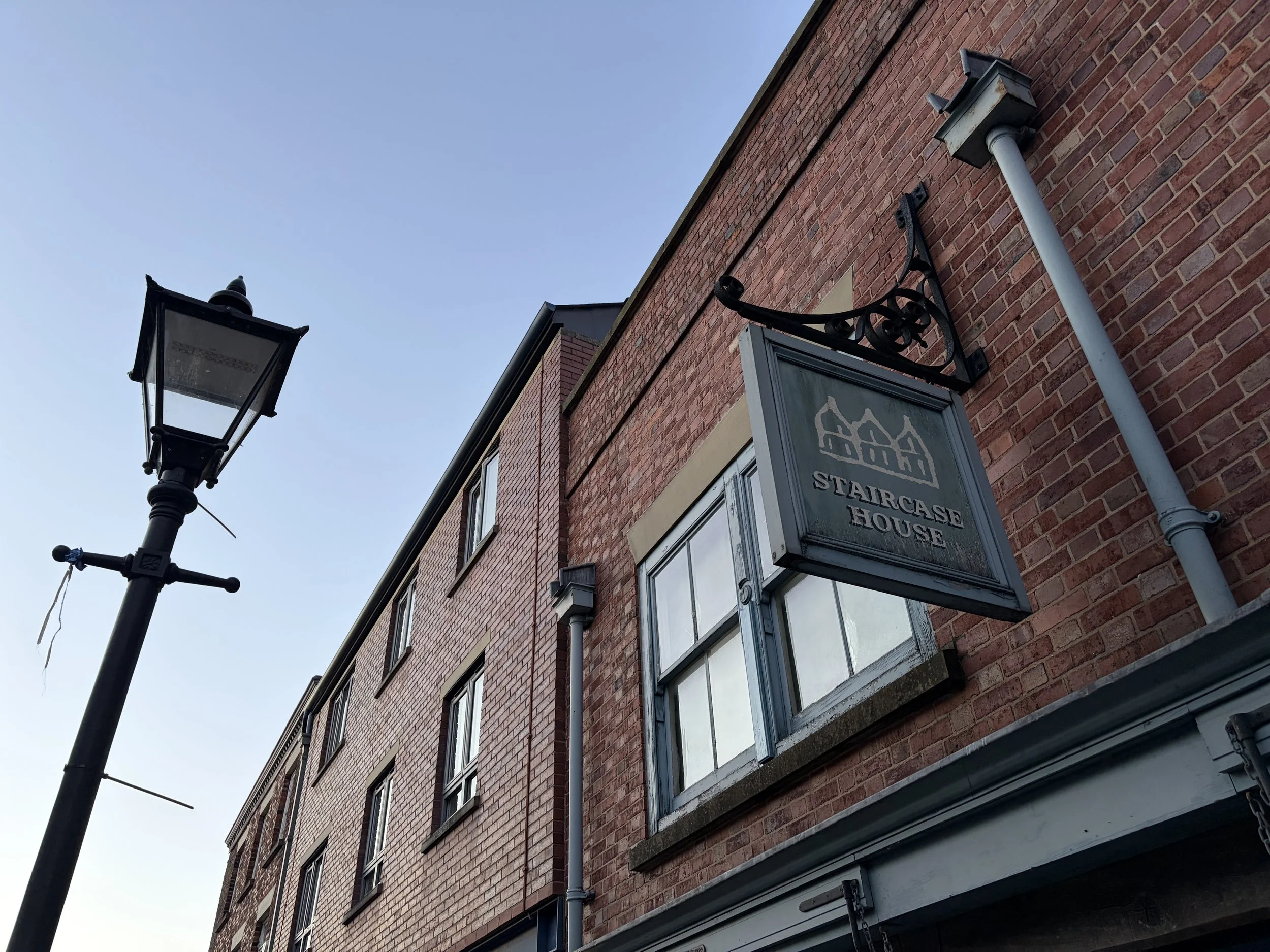
Staircase House is a beautifully restored medieval townhouse in the heart of the Old Town. Its rare Jacobean cage-newel staircase is one of the finest surviving examples in the country.
Inside, you move through rooms that show how families lived before industrial expansion reshaped the town. It anchors Stockport’s story firmly in the pre-industrial era and balances the narrative of factories and trade with domestic life.
4. Stockport Air Raid Shelters
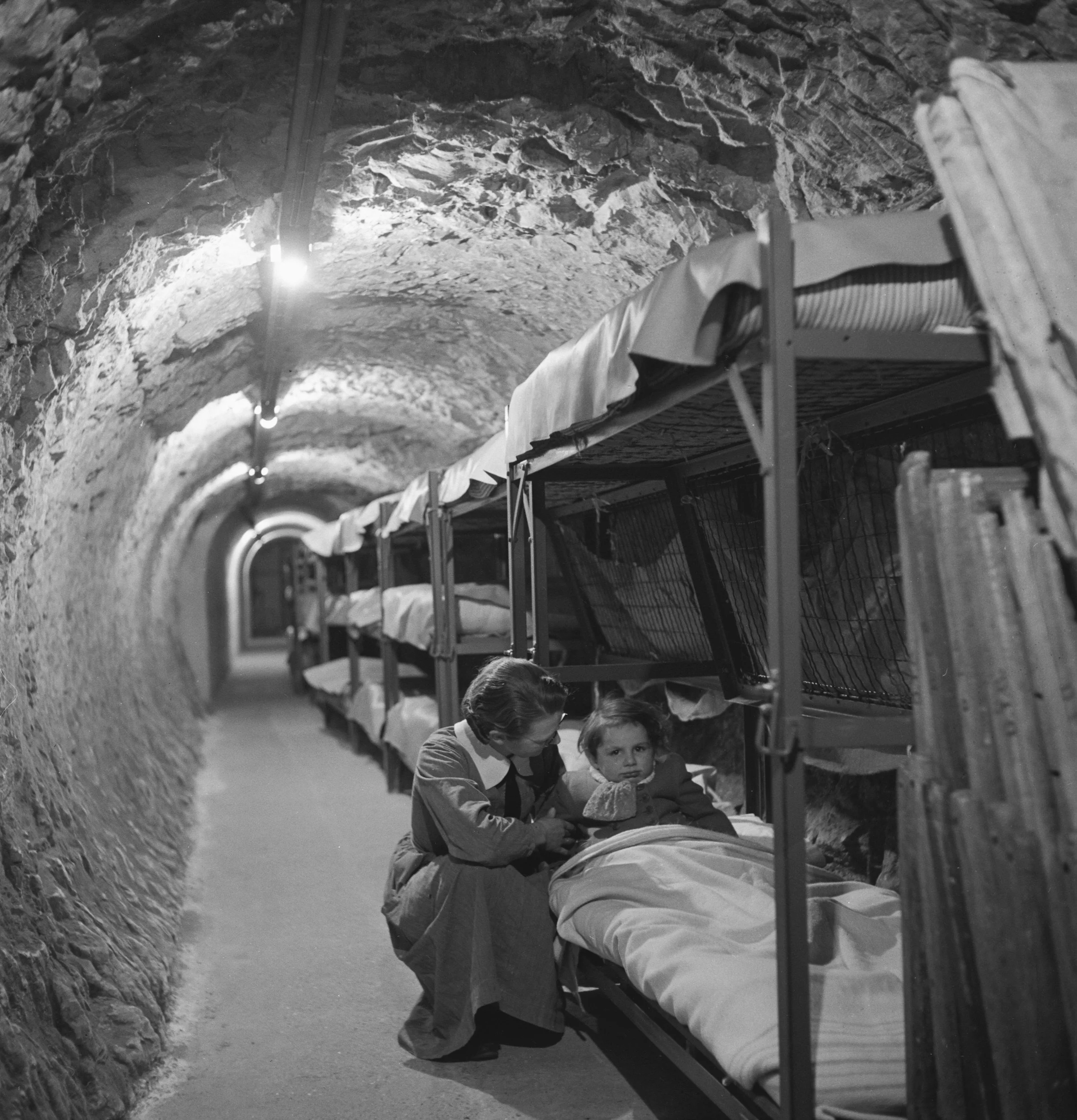
Carved into the sandstone cliffs in the 1930s, these underground tunnels were built to protect civilians during World War II. They could house thousands of people during bombing raids.
Walking through them today feels immersive and human. It’s not just military history — it’s about fear, resilience and community under pressure. Few places bring 20th-century history this close.
5. Bramall Hall
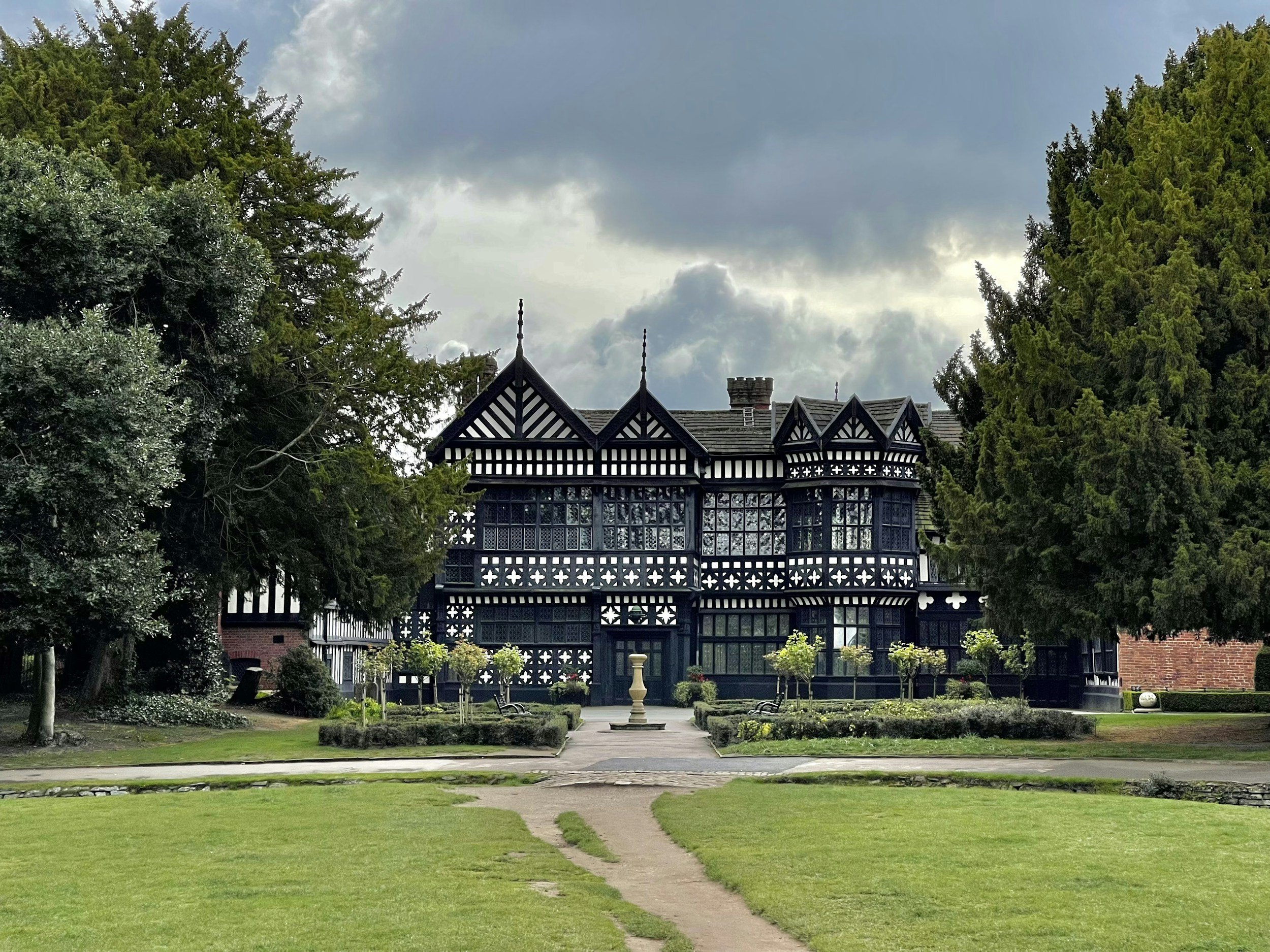
Set within the grounds of Bramhall Park, Bramall Hall is one of the finest surviving Tudor manor houses in England. The black-and-white timber-framed building has been developed over the centuries and was once home to the Davenport family for almost 500 years, reflecting the influence of land owners of the time, long before Stockport became an industrial town.
Today the hall operates as a museum where visitors can explore the historic interiors, including the grand hall, kitchens and domestic rooms that demonstrate how the Grade I-listed building has evolved over time.
6. Vernon Park
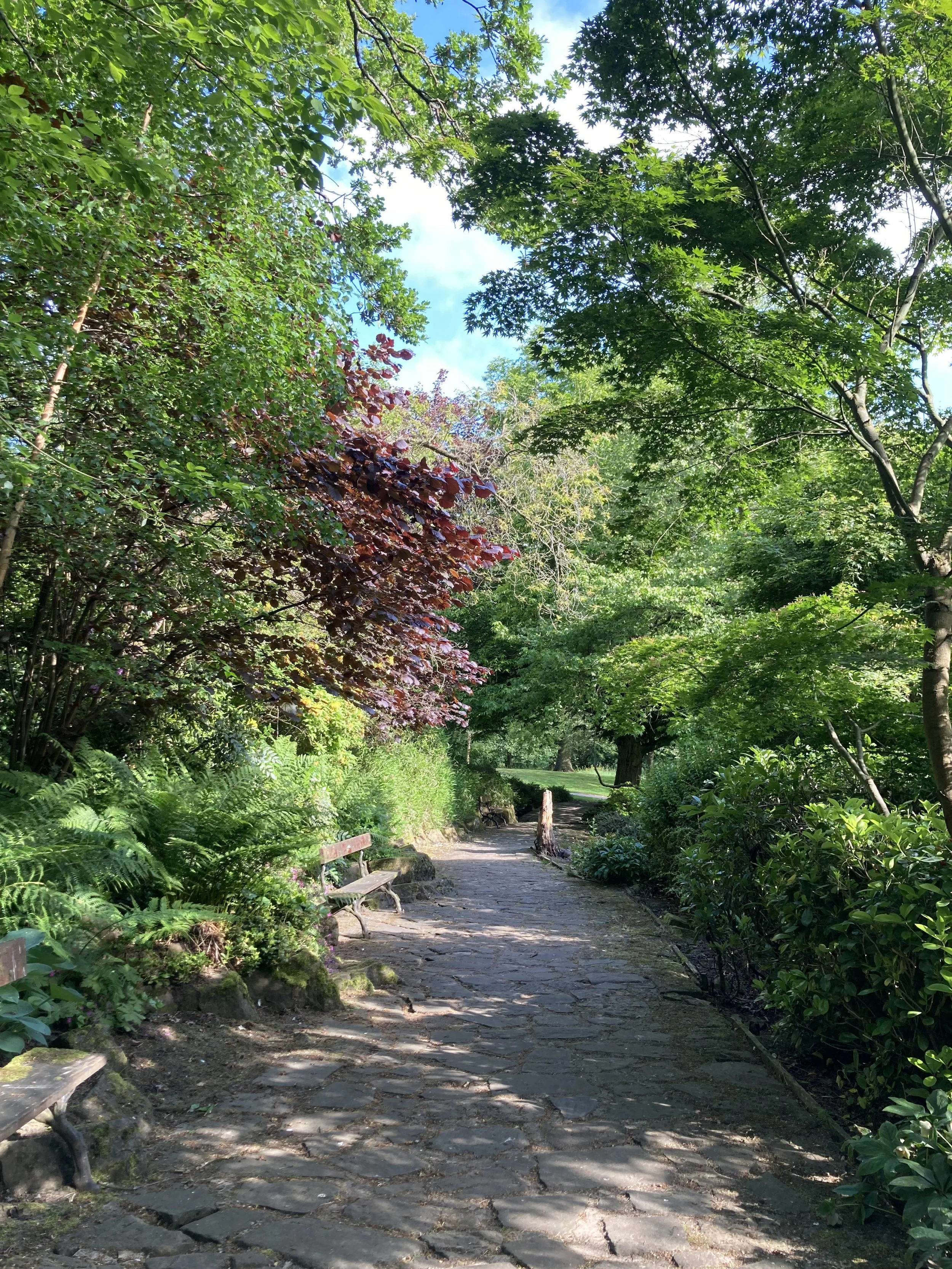
Opened in 1858 and named after Lord Vernon, Vernon Park was part of a wider 19th-century movement to improve public health and provide structured leisure as industrial towns expanded.
Its layout, ornamental features and elevated views reflect how civic pride and social reform shaped urban planning.
7. Stockport Market
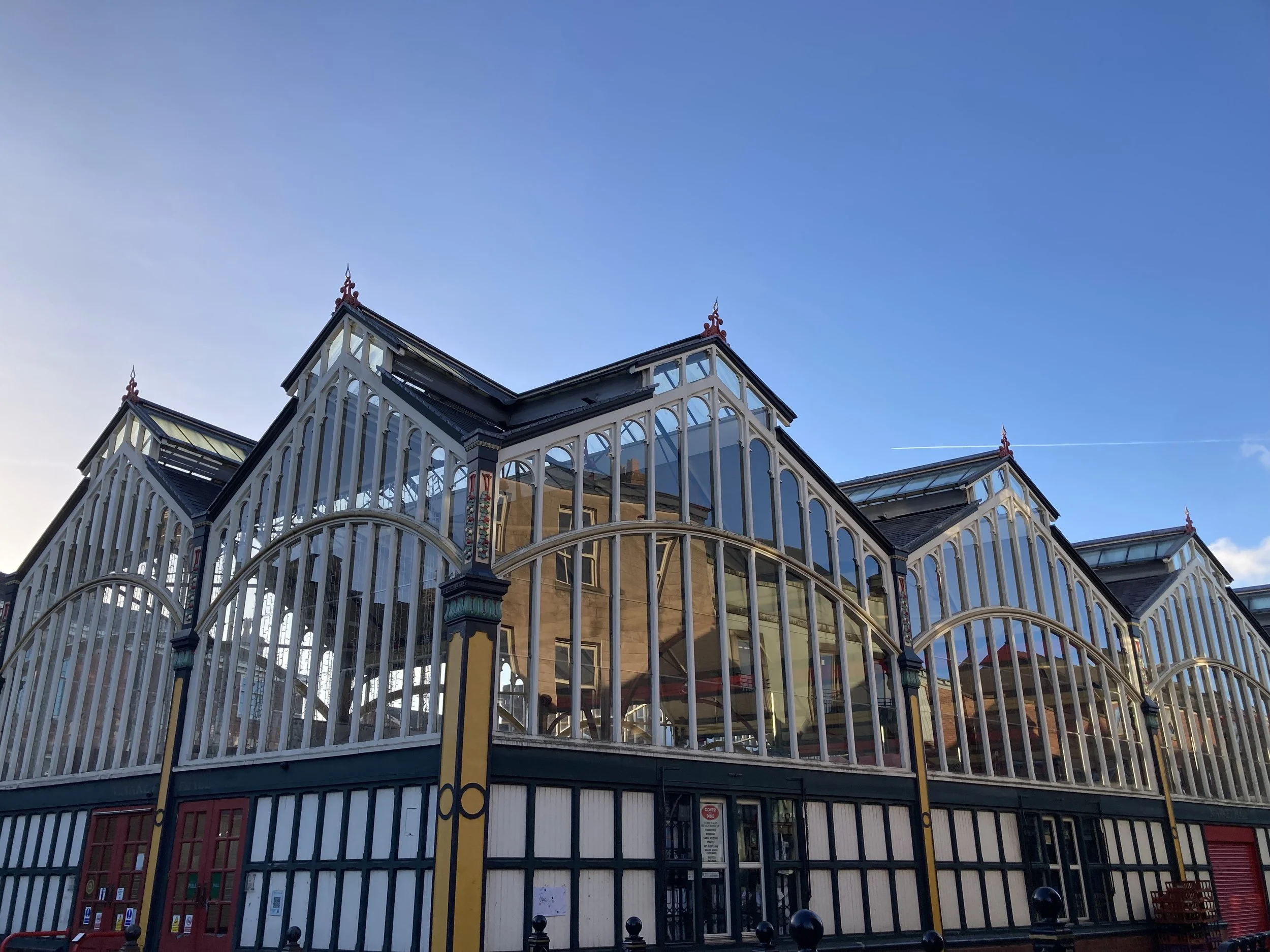
Trading at Stockport market place dates back centuries, and the market itself has evolved alongside the town’s fortunes, from traditional produce and livestock to today’s mix of independent sellers, street food and makers.
It’s a living link between historic trade and modern independent culture.
8.Stockport Dungeon
Hidden just off the Market Place at the top of Mealhouse Brow, Stockport Dungeon is one of the town’s most unusual historic sites. The small building above the cell once served as the meeting place for the Court Leet, where local burgesses dealt with town matters for several centuries.
Below ground is the stone chamber with an underground cell that functioned as Stockport’s old lock-up, holding prisoners while they awaited trial or transfer to larger courts if their offences were more serious.
Today the dungeon is cared for by Stockport Heritage Trust, which opens the site to visitors on selected dates throughout the year. It’s a small but curious place that reveals a lesser-known side of Stockport’s civic and legal history.