Long before Stockport became known for pyramids, Polish bakeries and any whispers of 'Berlin’ it was famous for one thing, hats.
Once a globally recognised hat producer, Stockport was famous for the production of felt hats at scale, exported worldwide and made by a workforce that shaped the economy and identity of the town. Far from a niche artisan trade, hat-making was part of daily life for many Stopfordian families.
Understanding this history gives a very different perspective on the mills, streets and buildings that still define Stockport today.
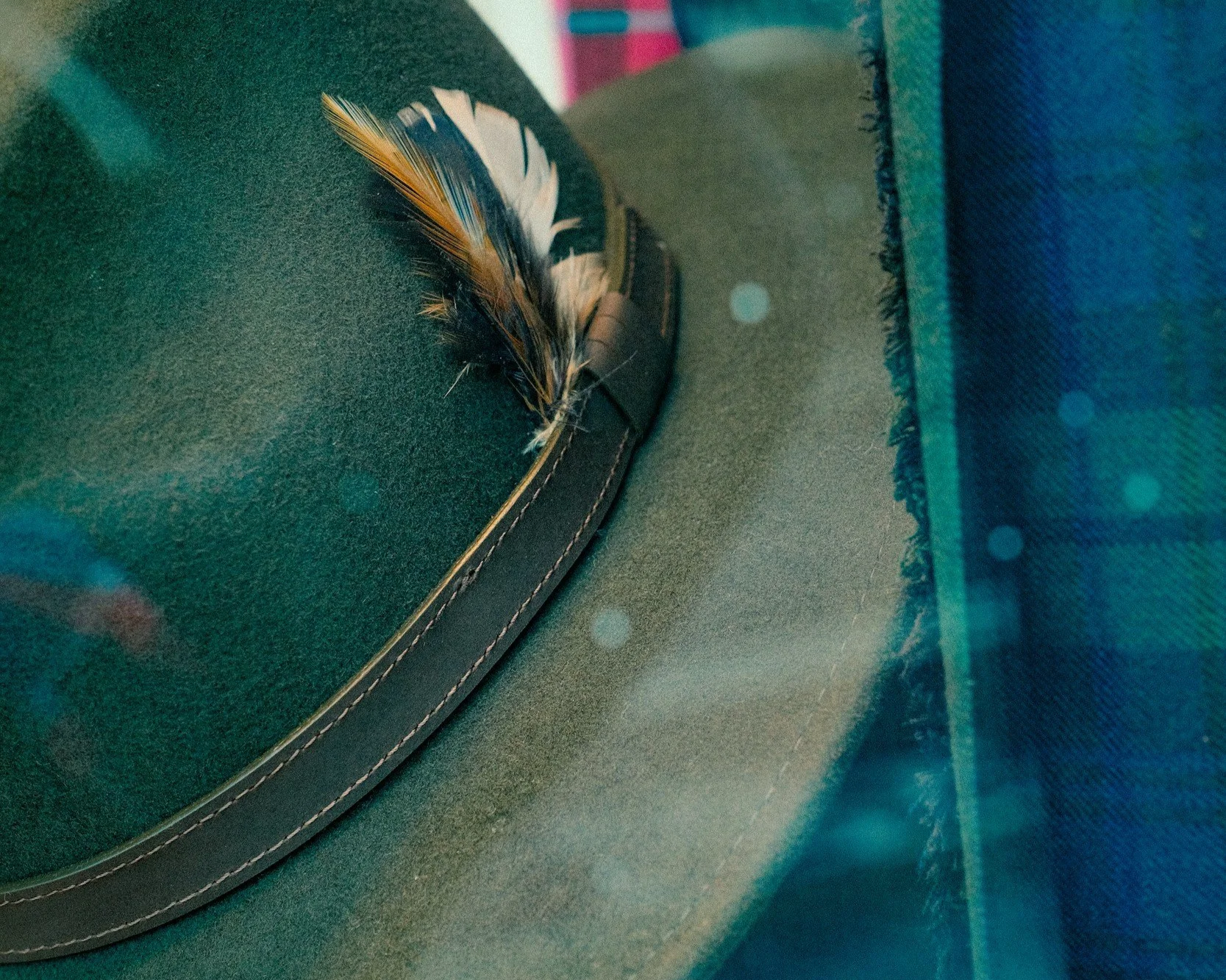
Felt hat
How Stockport became a hat town
Hat making in the wider region goes back centuries, but Stockport’s rise as a global centre came with industrialisation. By the late 19th century hats were no longer an occasional fashion accessory, they were worn daily by the masses and this created enormous demand.
Stockport’s location played a big part in its success. The town was already home to many skilled textile workers due to its proximity to Manchester and the cotton industry, with established mill buildings and strong transport links both by rail and its position on the River Mersey. As production scaled up, there were around 30 hat factories operating locally that employed thousands of people and produced hats not only worn across Britain, but were also exported internationally.
At its peak, Stockport was producing over 6 million felt hats a year, which made it one of the most important hatting centres in the world.
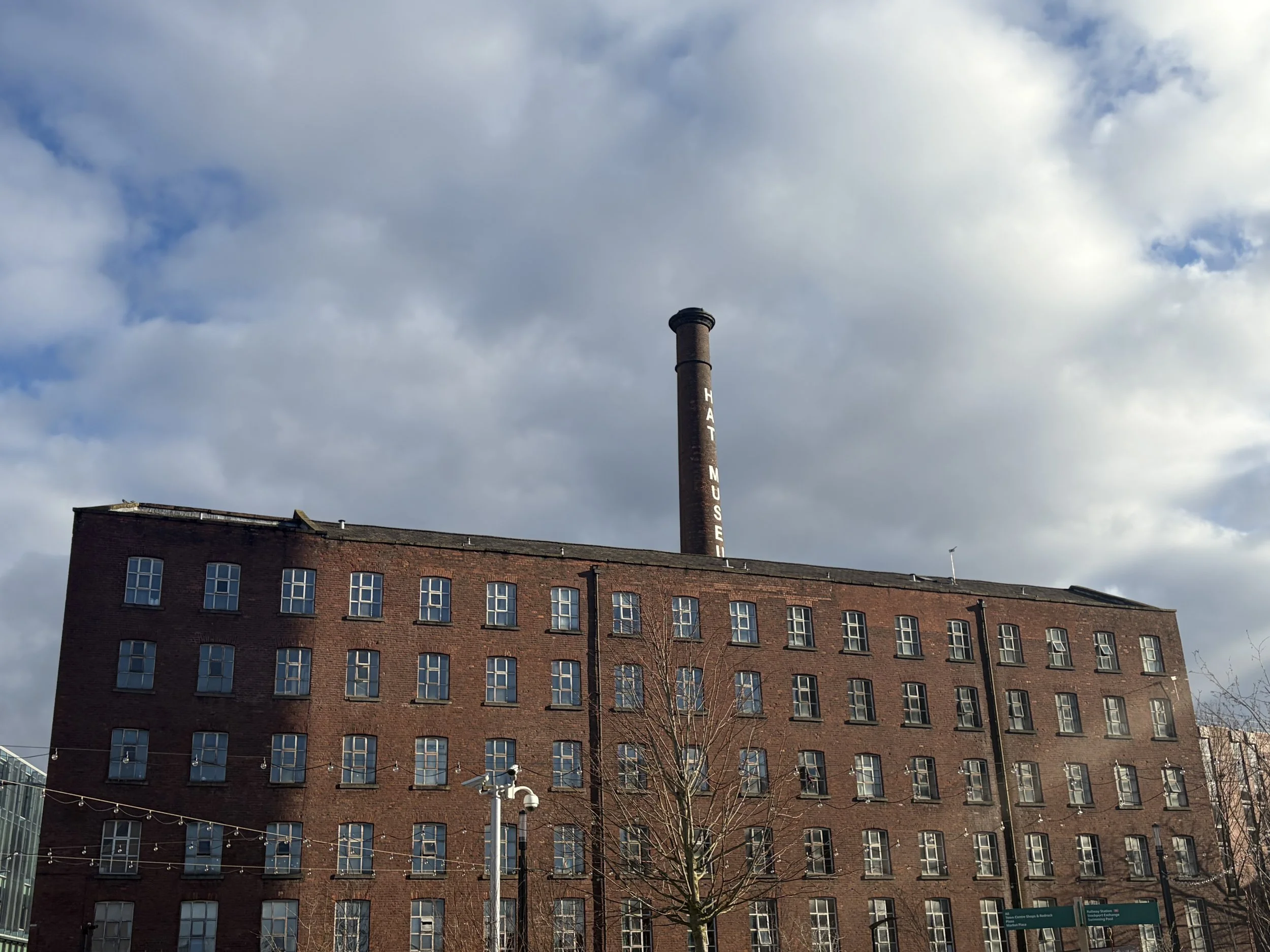
Hat Works museum, Stockport
Fur felt, rabbits and global supply chains
One of the reasons Stockport stood out from other hat-making towns was its specialism in fur felt as opposed to wool. Fur felt created denser, smoother hats that held their shape better and were associated with higher quality.
Early felt hats were made using beaver fur, but as beaver populations declined hatters turned to other animals. Rabbit fur proved to be the most practical alternative, effective for felting and available in large quantities.
As the industry expanded, local supply soon wasn’t enough. Stockport’s hat makers began importing rabbit pelts from across Europe and as far away as Australia.
The Mad Hatter: fiction rooted in industrial reality
The phrase “mad as a hatter” is closely linked to the real conditions of historic hat-making. In the 18th and 19th centuries, hatters used mercury nitrate to treat the fur to create felt material, a process that released toxic vapours which were inhaled by the mill workers.
Long-term exposure could cause tremors, memory loss, mood changes and erratic behaviour, and even hair discolouration. The symptoms became recognised as mercury poisoning, and the effects were so widely observed that they became part of everyday discourse.
When Lewis Carroll wrote Alice’s Adventures in Wonderland, he didn’t invent the phrase so much, but instead created a character that readers would have instantly recognised. In industrial towns like Stockport where hat factories were common, the risks and effects of mercury poisoning were observed as part of working life
Where to see the legacy today: Hat Works
Stockport’s hatting story is preserved at Hat Works, the UK’s only museum dedicated entirely to hats and the hatting industry.
Housed in Wellington Mill, Hat Works brings the scale of the trade to life from fur preparation and felting, to shaping, finishing and exportation. It’s a fascinating place to visit and one of the clearest ways to understand how deeply hat-making has impacted the town.
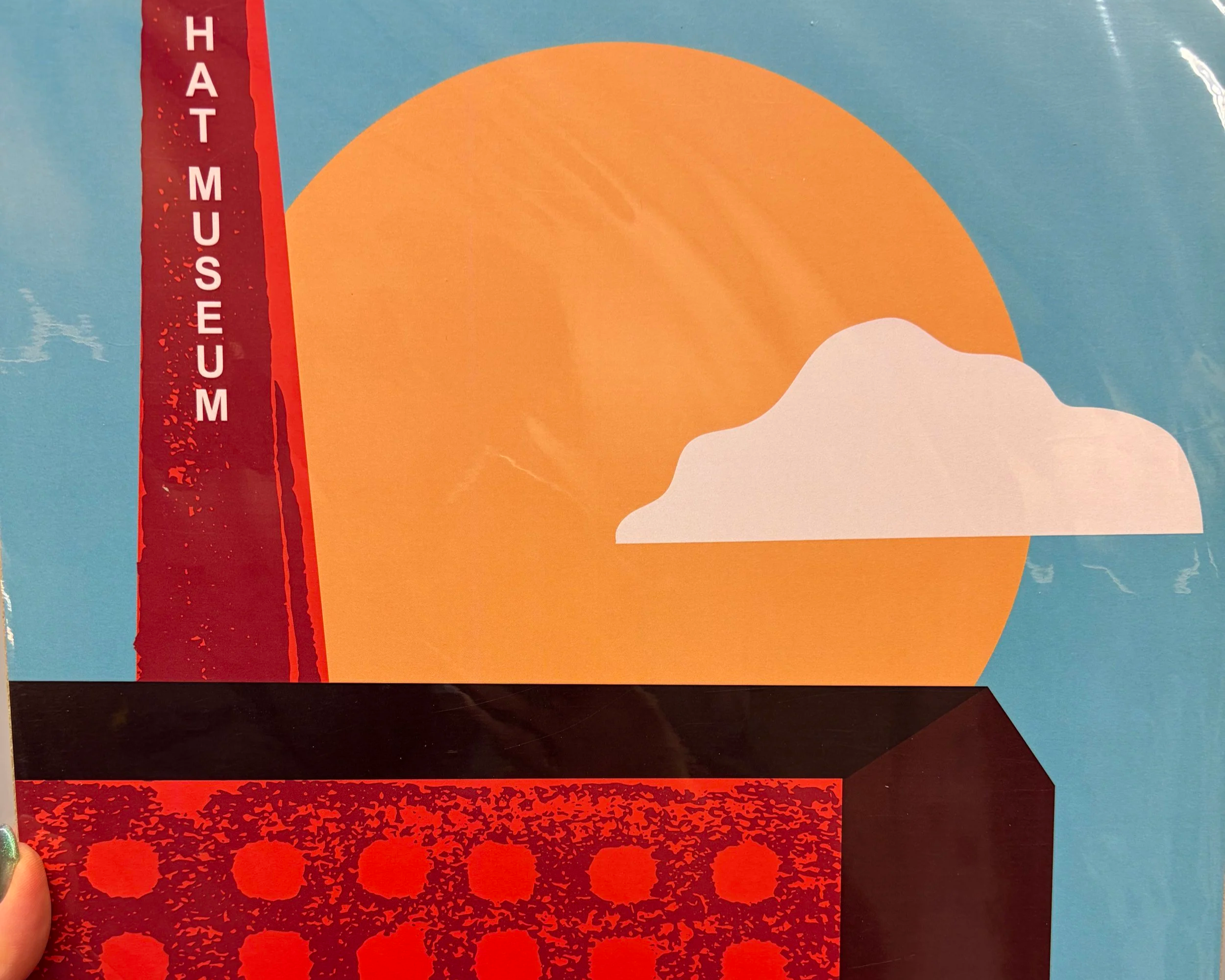
Hat Museum, poster artwork (sold in gift shop)
Why this history still matters
Stockport’s hat-making story isn’t just about hats. It’s about skilled labour, international trade, industrial risk and adaptation, and these themes that continue to affect the town in different ways today.
Once you know the history, it’s hard not to notice its traces everywhere in old mill buildings, street names, museums and contemporary exhibitions that reinterpret what came before.
